

I.
I recently saw an arts grant organized by Patrick Collison and Tyler Cowen on the topic of “New Aesthetics.” Check it out if you’re interested! Anyways, seeing this prompted me to think about design, aesthetics, and where my own taste lies.
II.
First, here are some of the worst design and aesthetic trends of recent years:
Drab colors
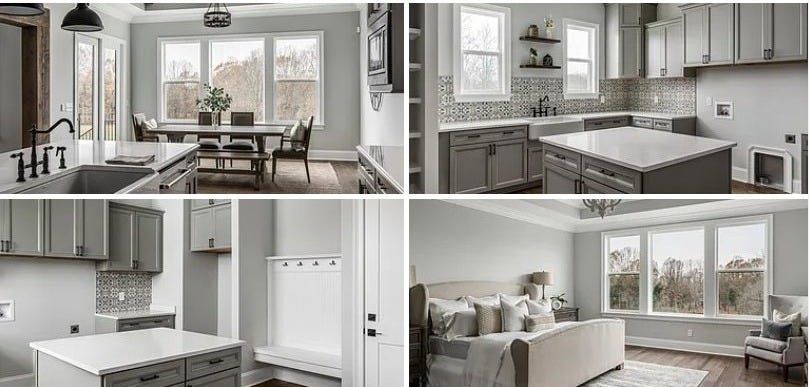
“SSRI chic” interior design (you could also call this “airbnb-core”)
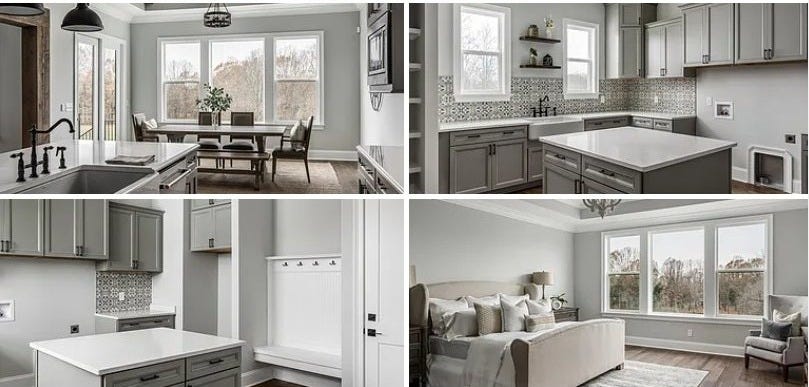
h/t Simon Sarris Synthetic / artificial / obviously unnatural materials in furniture / interiors
Tacky and gaudy baubles (e.g. Funko Pop)
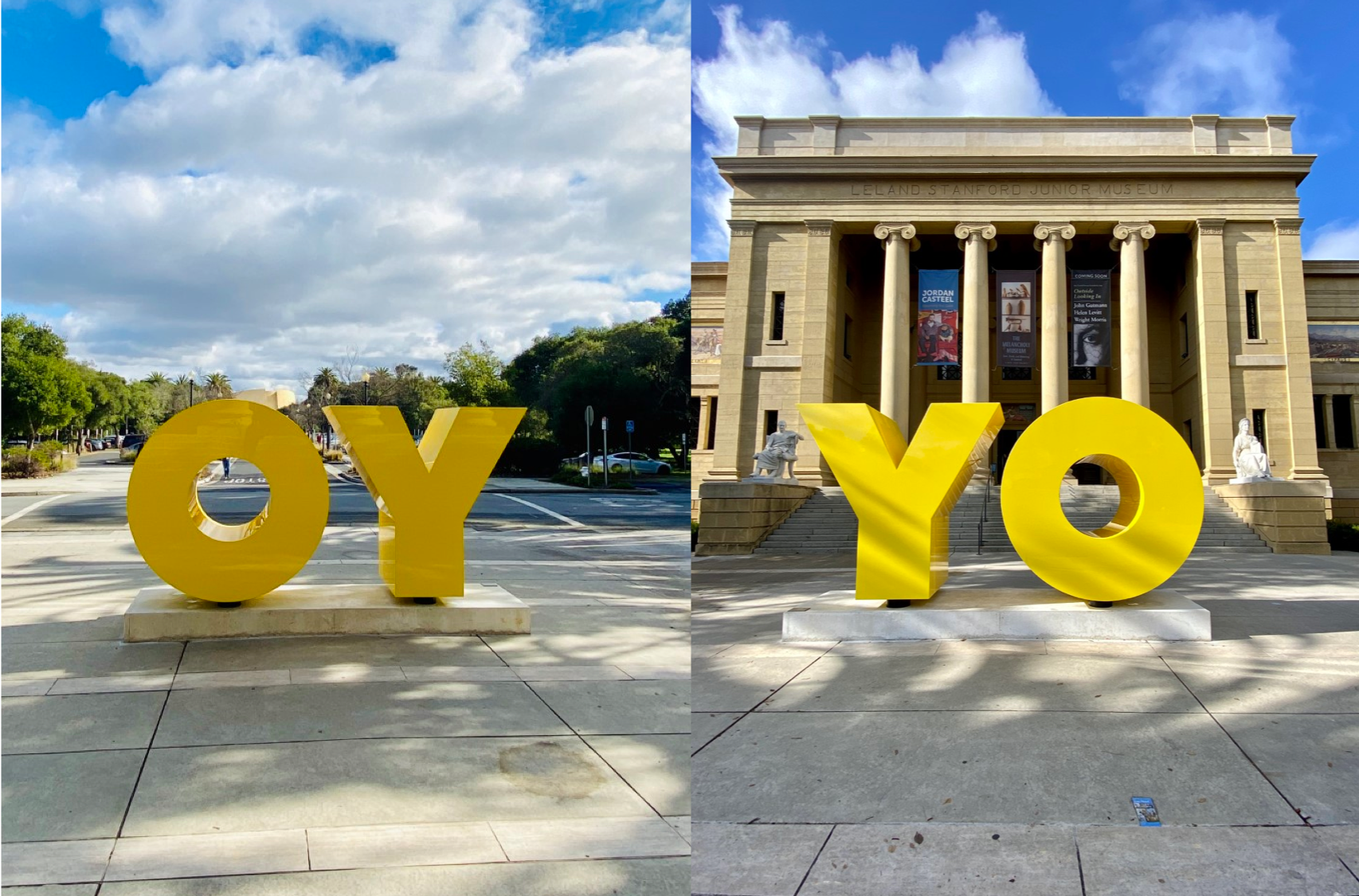
Corporate HR art style

“Posing for Instagram” backdrop vibes; bringing the trendy Millennial bar-and-eatery experience into your living room

III.
Some of the overlapping themes here are:
Brash, in-your-face vulgarity
Overwhelming sense of fakeness / cheapness / not-realness
It somehow manages to be simultaneously loud and not say anything of substance
Adjacent to the fakeness is that the cohesive effect of this is a sense of… sterility? Lifelessness? Un-vitality?
I don’t know how to describe it precisely, but many of these things also give off strong Current Thing cultural energy. A lot of young people and 35 year olds care a ton about Marvel right now. I am not so sure many people will care about it very much in 50 years. Now, why is being associated with Current Thing culture a bad thing aesthetically? Well, Current Thing culture tends to be most valued for its newness. Which is, regrettably, the one thing it loses the second it is arrives in the world. In other words, Current Thing culture depreciates hard and fast.
IV.
So, Matt Kramer, what would you like to see change about our world of aesthetics?
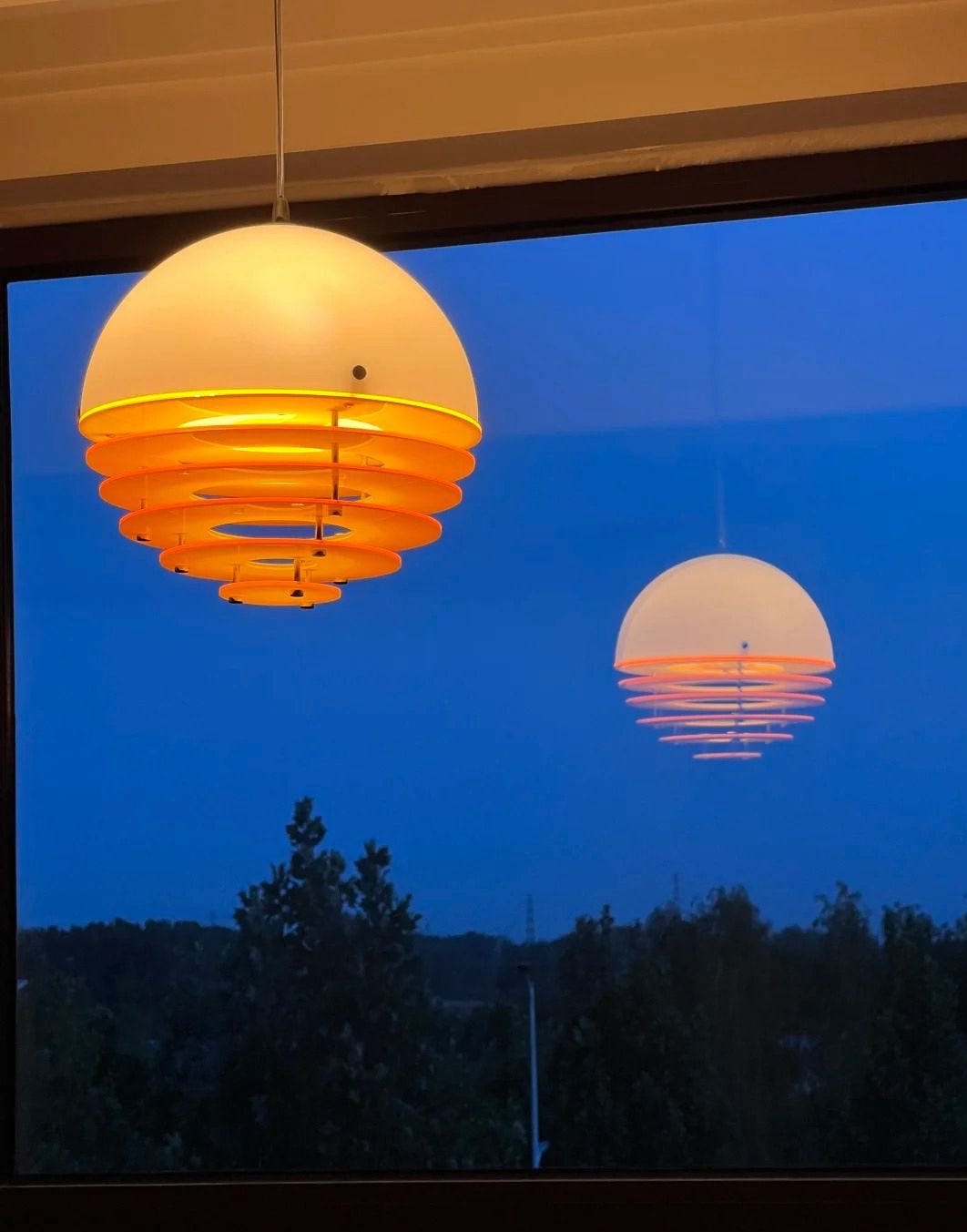
I would like to see a return to beauty. To natural beauty. There are many opportunities for us to incorporate natural beauty into our interior designs (and architectural / exteriors too). Consider… the sun. The moon. Clouds. Sky. Trees. Forests. Mountains. Leaves. Lakes. Ocean. Rivers. Glaciers. Flowers.
Could you capture the feeling of “Ahhhh, I am glancing at Heaven…” that you get when you look out an airplane window, but in your living room? Or suppose there was a room that made you feel like you were underwater–shimmering natural light, flora and fauna that seems almost otherworldly, ethereal? Can you feel the richness of the colors? The temperature I’m describing, the coolness of the blues and the greens in such a room?
We all know the saying, “Nature abhors a vacuum” – well, it’s true! Nature converges towards life, energy, flow, movement. Nature is inherently maximalist. Nature is inherently NOT minimalist. The antidote to a culture of sterility is life.
Picture colorful carpets. Floors that are made of something real; stone or wood.
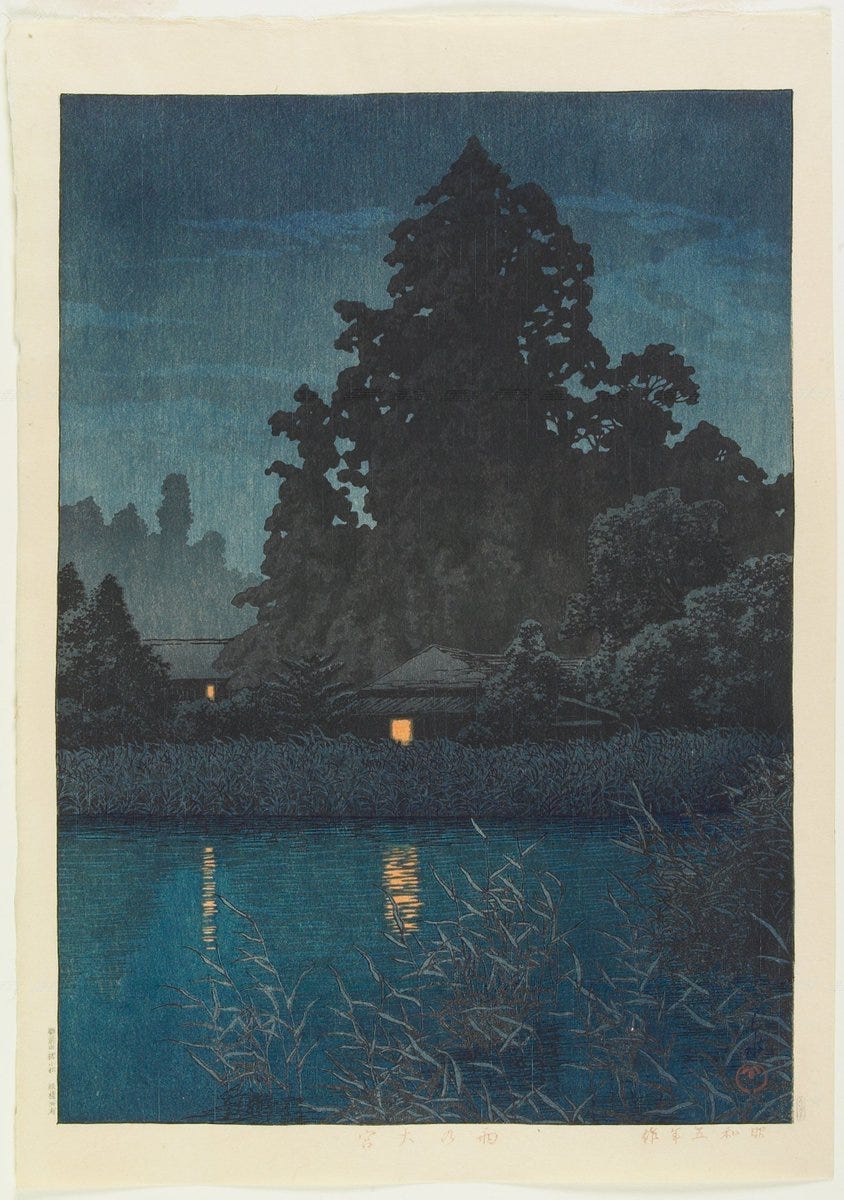
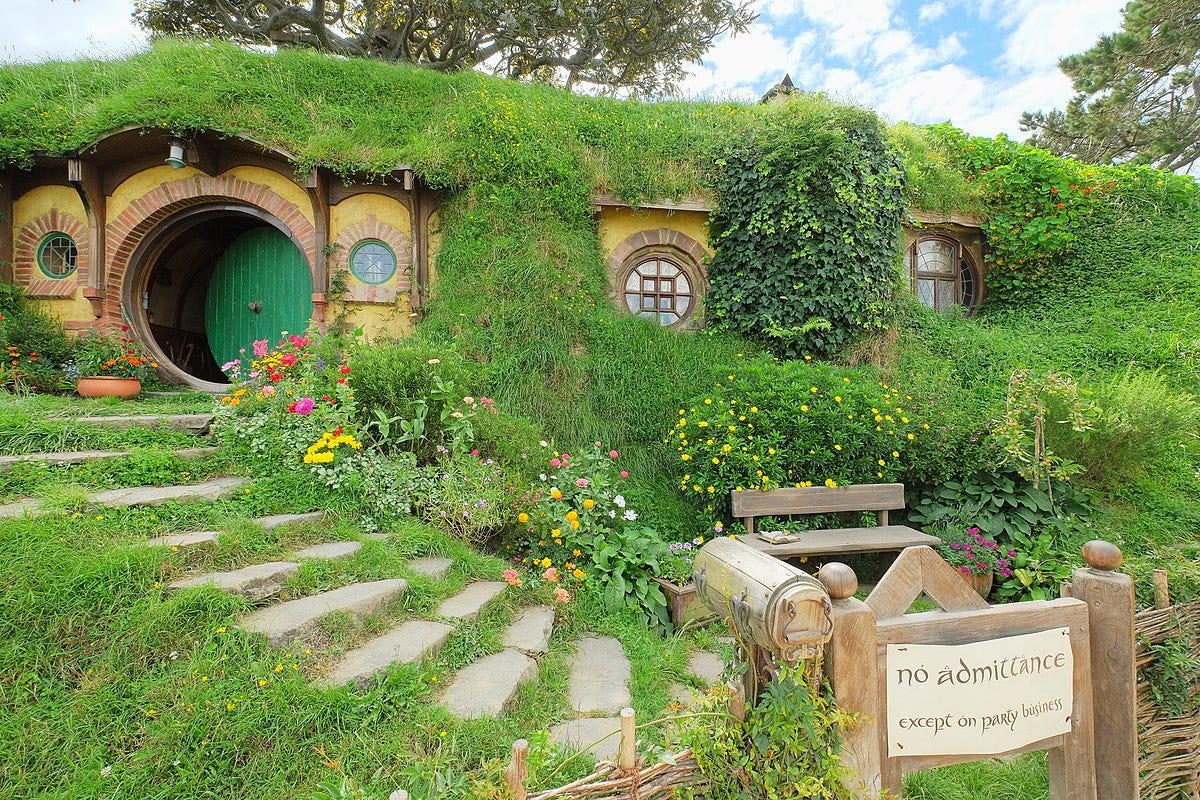
Japanese architecture and design does this quite elegantly; the Japanese have an intensely honed sense that beauty requires the absence of ugliness and that nature and real things tend to be inherently beautiful. We could learn from that.
There is a sense, sometimes, in America’s cultural elite that beautiful things are only for the wealthy. But I think this is not true. We have never been more efficient at manufacturing so many different things. Many people stumble at the chokepoints of taste and imagination. As the saying goes, you can’t buy taste.
Are you dedicated enough to only acquire beautiful things, and ruthless enough to let go of the ugly things you may currently have?
V.
So this is the shift I wish to see in aesthetics and design: moving in the direction of complexity, natural beauty, and intricacy. Towards substance and cohesion.
It is easy to fall for the cultural illusion that one must reinvent the wheel in art and aesthetics, or that things which are tried and true are in danger of “losing their luster” and going out of vogue. But there is a genuine timelessness to beautiful things, as beauty, like truth, endures.
That corporate HR commentary is so real. Shudder.
Great post as always.